

Most trading strategies fail long before traders realize there is a problem. The backtest looks impressive, the equity curve rises smoothly, and performance metrics appear strong. Then the strategy goes live: returns decline, drawdowns increase, and the apparent edge disappears. This pattern is so common that experienced quantitative traders have learned to treat exceptional backtests with skepticism rather than excitement.
The problem is often not the strategy itself — it is the validation process. Traditional backtesting answers an important question: how would this strategy have performed in the past? But it does not answer a more important one: how likely is this strategy to survive in the future? This distinction is where Walk Forward Analysis becomes valuable. Rather than evaluating a strategy on a single historical period, it continuously tests whether a strategy can adapt to new, unseen market conditions — which is why many professionals consider it one of the most important validation techniques in systematic trading.
- What Is Walk Forward Analysis?
- Why Backtesting Is Not Enough
- Backtest vs Walk Forward
- How It Works
- Why It Reduces Overfitting
- Walk Forward Optimization
- Benefits & Risks of WFO
- Example of Walk Forward Analysis
- Backtest vs Walk Forward vs Live
- What Is a Good Walk Forward Efficiency?
- Why Quant Teams Use WFA
- Common Mistakes
- Why WF Results Look Worse
- WFA for AI Trading Systems
- How Professional Firms Validate
- Retail vs Professional
- The Strategy Validation Stack
- Why It Matters More Than Ever
- Final Verdict
- FAQ
What Is Walk Forward Analysis?
Walk Forward Analysis (WFA) is a strategy validation technique designed to evaluate how a trading system performs when repeatedly exposed to new data. Instead of optimizing a strategy once and testing it once, it breaks the research process into multiple sequential cycles. Each cycle contains two phases: an in-sample period, where the strategy is optimized using historical data, and an out-of-sample period, where the optimized strategy is tested on data it has never seen before. The process then moves forward through time and repeats.
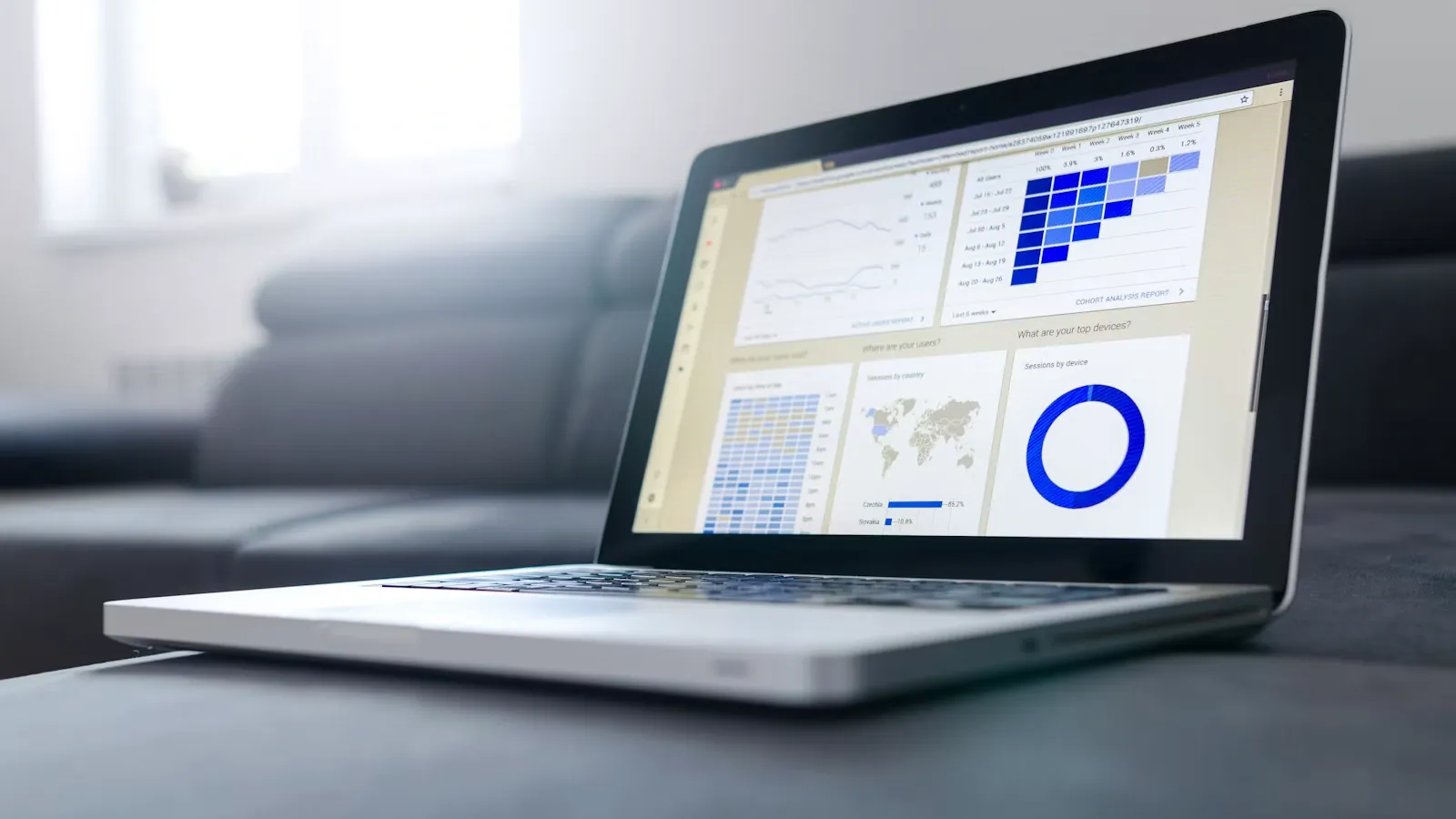
This creates a sequence of validation periods that more closely resemble how trading occurs in real markets. Instead of relying on one historical result, researchers evaluate performance across many independent validation windows — producing a more realistic assessment of robustness.
Why Traditional Backtesting Is Not Enough
Traditional backtesting remains a critical part of strategy development; without it, systematic research would be impossible. The problem is not that backtesting is wrong — it is that many traders stop there, and a single backtest often creates a false sense of confidence. Several issues contribute.
Markets Change
Relationships that existed five years ago may not exist today. A strategy optimized on one period may struggle in another.
Overfitting Risk
A strategy can become overfitted to historical data. The backtest may appear strong even when the underlying edge does not exist.
Static Validation
Most traditional backtests evaluate a fixed period once. Real markets continuously evolve, so validation should evolve as well.
Unrealistic Expectations
Backtests frequently underestimate slippage, transaction costs, market regime changes, and execution friction, creating expectations that may be difficult to achieve in production. Instead of asking “did this strategy work?”, Walk Forward Analysis asks “does this strategy continue to work as market conditions evolve?”
Backtest vs Walk Forward Analysis
A traditional backtest evaluates performance using a single research process. Walk Forward Analysis evaluates performance across multiple validation cycles. The difference may appear subtle, but in practice it can completely change the outcome.
| Factor | Traditional Backtest | Walk Forward Analysis |
|---|---|---|
| Optimization | One Time | Repeated |
| Validation | Often Limited | Continuous |
| Overfitting Risk | Higher | Lower |
| Realism | Moderate | Higher |
| Adaptability Testing | Limited | Strong |
| Deployment Readiness | Uncertain | Better Assessed |
This is why many quantitative teams view Walk Forward Analysis as a bridge between research and deployment. A strong backtest demonstrates potential; a strong walk forward analysis demonstrates resilience.
How Walk Forward Analysis Works
The core concept is straightforward: the strategy is repeatedly optimized and tested while moving through time, with each cycle simulating what would have happened if the strategy were operating in real markets.
Before applying these rolling tests, traders can use AlgoBuild to turn a trading idea into an algorithm and run an initial backtest. The process typically follows three stages.
Stage 1: Optimization Window
Historical data is selected, the strategy is optimized using this period, parameters are adjusted, rules are evaluated, and performance is measured. This becomes the in-sample phase.
Stage 2: Validation Window
The optimized strategy is then tested on new data, with no additional optimization allowed. The objective is simple: determine whether the edge survives outside the development dataset. This becomes the out-of-sample phase.
Stage 3: Rolling Forward
The entire process moves forward. A new optimization period is selected, a new validation period follows, and this continues until the entire dataset has been analyzed. The final result is not one backtest — it is a collection of independent validation results, providing a far more realistic picture of strategy behavior.
Why Walk Forward Testing Reduces Overfitting
One of the biggest advantages of Walk Forward Analysis is its ability to expose fragile strategies. Overfitted systems often perform exceptionally well in development but struggle when exposed to new environments — and Walk Forward Analysis continuously introduces those new environments. As a result, weak strategies fail faster, fragile parameters become visible, false confidence decreases, and robustness becomes easier to evaluate. The objective is not maximizing performance; it is increasing confidence that performance can survive outside the research environment.

Walk Forward Optimization Explained
Walk Forward Analysis and Walk Forward Optimization are closely related but not identical. Walk Forward Analysis focuses on validation — determining whether a strategy remains effective across multiple unseen periods, with the emphasis on robustness. Walk Forward Optimization adds a layer: instead of using one static parameter set forever, the strategy is periodically re-optimized as time progresses.
The process typically looks like this: optimize using recent historical data, deploy parameters into the next validation period, measure performance, move forward, re-optimize, and repeat. This approach attempts to mimic how many professional systematic operations function in reality — markets evolve, and parameters that worked several years ago may not remain optimal indefinitely. The objective is not finding perfect parameters; it is maintaining adaptability without introducing excessive overfitting.
Benefits and Risks of Walk Forward Optimization
- Adaptability — periodic re-optimization adjusts to new environments
- Better robustness testing — repeated cycles expose weaknesses
- More realistic research — mirrors how firms update models
- Deployment readiness — survivors show stronger resilience
- Over-optimization — aggressive re-optimizing becomes rolling overfitting
- Parameter instability — dramatic shifts signal fragility, not adaptability
- False confidence — strong results still cannot eliminate future risk
The objective of Walk Forward Optimization is not continuously chasing performance, it is maintaining robustness while adapting responsibly to changing market conditions.
Example of Walk Forward Analysis
Imagine a momentum strategy tested on five years of data, using 12 months for optimization and 3 months for validation. The process proceeds as follows:
| Cycle | Optimization Period | Validation Period |
|---|---|---|
| 1 | Year 1 | Quarter 1 |
| 2 | Year 1 + Quarter 1 | Quarter 2 |
| 3 | Year 1 + Quarter 2 | Quarter 3 |
| 4 | Year 1 + Quarter 3 | Quarter 4 |
Rather than producing a single backtest result, the strategy generates multiple independent validation periods. Researchers can then evaluate whether performance remains stable over time — significantly more information than a single historical simulation provides.
Example: Backtest vs Walk Forward vs Live Trading
One reason Walk Forward Analysis is valuable is that it often produces results closer to reality.
| Metric | Traditional Backtest | Walk Forward Result | Live Trading |
|---|---|---|---|
| Annual Return | 38% | 21% | 18% |
| Sharpe Ratio | 2.0 | 1.2 | 1.1 |
| Max Drawdown | 9% | 17% | 19% |
| Win Rate | 61% | 54% | 53% |
These trading strategy performance metrics should be compared across the backtest, walk-forward result, and live period rather than interpreted as isolated headline numbers. Many retail traders would prefer the backtest; professional traders often prefer the walk-forward result because it more accurately reflects future uncertainty.
Many retail traders would prefer the backtest; professional traders often prefer the walk forward result, because it more accurately reflects future uncertainty. A realistic estimate is generally more valuable than an optimistic one.
The best validation result is not the highest result — it is the most believable result. A broader comparison of backtesting vs forward testing explains how unseen and live-market evidence changes the confidence placed in a strategy
What Is a Good Walk Forward Efficiency?
Walk Forward Efficiency (WFE) measures the relationship between optimized performance and out-of-sample performance. A simplified version is: Walk Forward Efficiency = Out-of-Sample Performance / In-Sample Performance. It tells you how much of the optimized performance survives validation.
| WFE Range | Interpretation |
|---|---|
| Below 50% | Potential overfitting risk |
| 50–70% | Acceptable |
| 70–90% | Strong robustness |
| Above 90% | Rare and worth investigating |
A very high Walk Forward Efficiency is not always a positive sign. Researchers should still evaluate sample size, validation quality, market conditions, and statistical significance. The goal is not maximizing WFE — it is ensuring performance remains consistent when exposed to unseen data.
Researchers should still evaluate backtest sample size, validation quality, market conditions, and statistical significance.
Data Insight: Why Professional Quant Teams Use Walk Forward Validation
Modern quantitative trading organizations rarely rely on a single backtest. Research frameworks have evolved significantly over the last decade, as growing awareness of overfitting, data mining bias, and strategy degradation has pushed many firms toward more rigorous validation procedures.
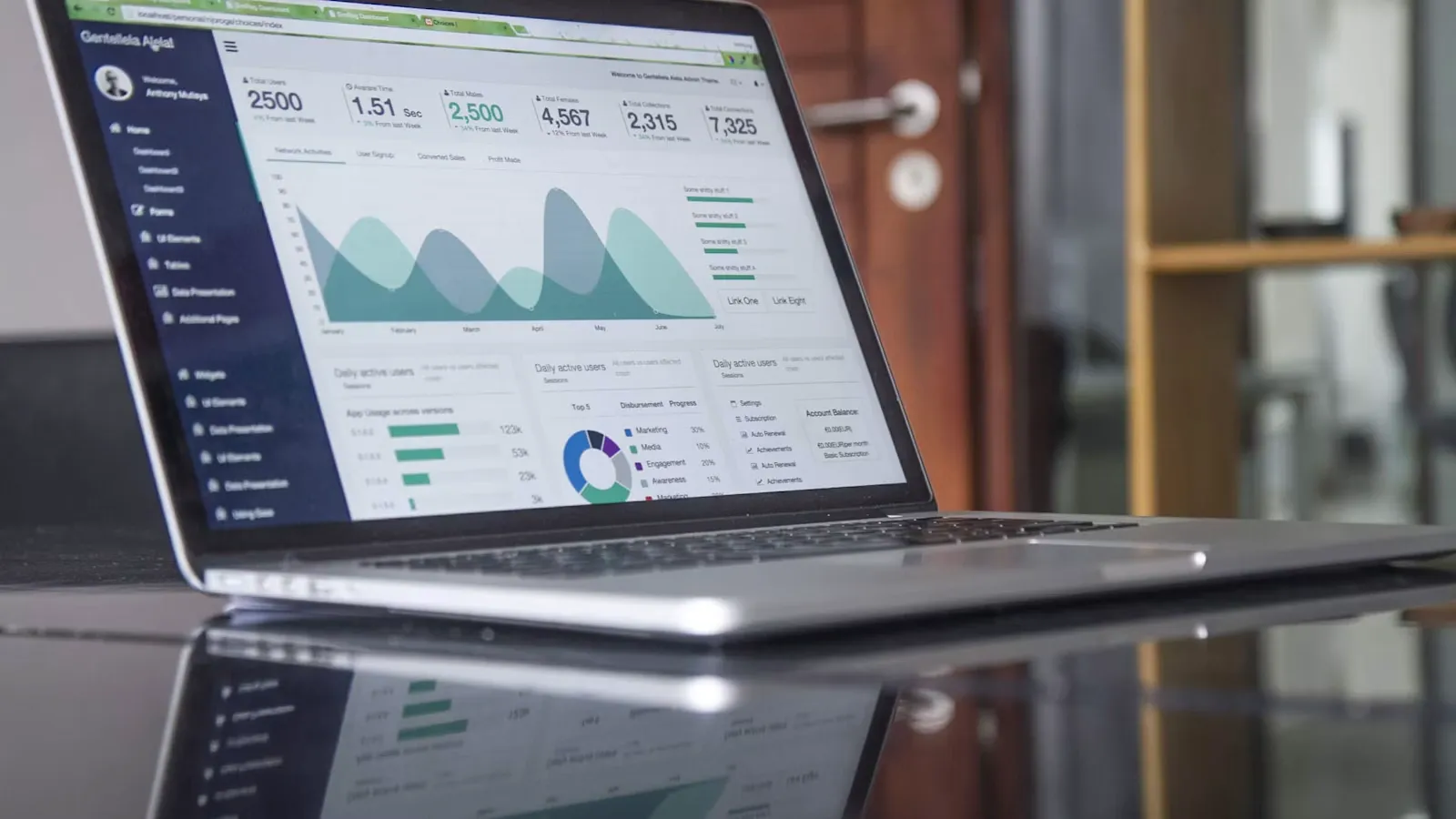
Research by quantitative finance practitioners such as Marcos Lopez de Prado has highlighted the dangers of relying solely on historical optimization. As a result, validation frameworks increasingly include out-of-sample testing, walk forward analysis, Monte Carlo simulations, and robustness testing. The underlying principle is simple: a strategy should demonstrate stability across multiple independent environments before capital is allocated. The goal is no longer maximizing backtest performance — it is maximizing confidence that the edge is genuine.
Common Mistakes in Walk Forward Analysis
Walk Forward Analysis is powerful, but it is not immune to misuse. Several mistakes can significantly reduce its effectiveness. Using validation windows that are too small increases randomness and makes results hard to interpret. Excessive optimization inside every cycle simply produces repeated overfitting. Ignoring transaction costs — commissions, slippage, spreads, execution delays — leaves validation results overly optimistic. Data snooping, where researchers test ideas repeatedly until something appears profitable, can still produce convincing results by chance. And perhaps most importantly, treating walk forward results as guarantees is a mistake: WFA improves confidence, but it does not predict the future. The objective is risk reduction, not certainty.
Why Many Walk Forward Results Look Worse Than Backtests
This often surprises newer traders: Walk forward results frequently look less impressive than traditional backtests, returns decline, drawdowns increase, and Sharpe ratios fall. At first glance this appears disappointing. In reality, it is often a positive sign.
Walk Forward Analysis removes many of the unrealistic assumptions embedded within highly optimized backtests, and what remains is often a more realistic estimate of future performance. Professional researchers generally trust realistic results more than impressive ones, one of the biggest differences between research-driven trading and performance-driven marketing.

Walk Forward Analysis for AI Trading Systems
As artificial intelligence becomes increasingly common in trading, strategy validation becomes even more important. Many traders assume machine learning models automatically adapt to changing markets — a dangerous assumption.
AI models can still suffer from overfitting, feature decay, model drift, regime dependency, and data quality problems. These are among the main risks of AI trading systems that rolling validation is designed to expose.
In fact, complex machine learning systems often have more opportunities to overfit than traditional rule-based strategies, which is why walk forward validation has become a standard component of many AI trading research pipelines.
A simple moving-average strategy may have two parameters and a limited search space; a machine learning model may involve hundreds of features, thousands of parameters, and multiple optimization layers. Walk Forward Analysis helps determine whether predictive relationships continue to exist when new data is introduced, and it is especially valuable for exposing model drift (relationships that lose relevance over time), regime shifts (models trained in one environment that struggle in another), and feature decay (variables that gradually lose predictive value). The objective is not building a model that works once; it is building a model that remains reliable over time.
How Professional Trading Firms Validate Strategies
One of the biggest differences between retail traders and professional quantitative firms is validation discipline. Retail traders often stop after optimization, backtesting, and basic performance analysis. Institutional research teams rarely do — they view validation as a multi-layered process in which a strategy must survive several independent tests before capital is allocated. A simplified institutional workflow includes:
- Research — develop the original hypothesis
- Backtesting — evaluate historical behavior
- Out-of-sample testing — test on unseen data
- Walk forward analysis — evaluate across rolling validation windows
- Monte Carlo analysis — stress test under alternative trade sequences
- Paper trading — observe real-time behavior without risking capital
- Live deployment — allocate capital gradually
A simplified institutional process moves from research and backtesting through out-of-sample testing, walk-forward analysis, Monte Carlo analysis, paper trading, and gradual live deployment. Together, these stages form a broader algorithmic trading workflow.
This process may appear conservative, but it exists for a reason: many trading bots fail after deployment because validation did not expose fragile logic, execution assumptions, or changing market conditions early enough.
Retail vs Professional Validation Framework
| Validation Area | Retail Approach | Professional Approach |
|---|---|---|
| Backtesting | Standard | Standard |
| Out-of-Sample Testing | Sometimes Ignored | Mandatory |
| Walk Forward Analysis | Limited Use | Common Practice |
| Monte Carlo Analysis | Rare | Frequent |
| Deployment Process | Immediate | Gradual |
| Monitoring | Minimal | Continuous |
| Risk Review | Basic | Multi-Layered |
| Capital Allocation | Aggressive | Controlled |
The key difference is not intelligence — it is process. Professional firms assume strategies can fail, and validation frameworks exist to identify weaknesses before capital is exposed.
The Strategy Validation Stack
One of the most useful ways to think about trading strategy validation is as a layered process. Each layer reduces uncertainty; no individual layer guarantees success, but together they significantly improve confidence. Validation tests whether an edge is credible, while algorithmic trading risk controls determine how much capital is exposed when performance weakens.
The strongest strategies typically survive every layer; the weakest usually fail long before reaching deployment.
Why Walk Forward Analysis Matters More Than Ever
Modern markets are evolving faster than ever. Competition is increasing, information advantages disappear quickly, and machine learning models continue growing in complexity. These trends make robust validation increasingly important — a strong backtest is no longer enough. Investors, researchers, and trading firms increasingly demand evidence that a strategy can perform outside the environment used to create it.
Buyers comparing algorithmic trading strategies on AlgoNetwork should look beyond headline backtests and ask how each strategy was tested across changing conditions. Walk Forward Analysis helps provide that evidence. It does not eliminate risk and it does not predict the future, but it can significantly improve confidence that a strategy is based on genuine market behavior rather than historical coincidence.
Final Verdict: Walk Forward Analysis Is the Bridge Between Research and Reality
Many trading strategies look impressive during development; far fewer remain impressive when exposed to new market conditions. This is why Walk Forward Analysis has become one of the most respected validation techniques in quantitative trading. Traditional backtests answer “what happened?”; Walk Forward Analysis answers “what continues to happen as conditions change?” That distinction is critical. Successful trading systems are not built by maximizing historical performance — they are built by maximizing confidence that an edge can survive future uncertainty. For traders seeking more reliable strategy validation, Walk Forward Analysis is not simply another testing technique; it is often the bridge between research and reality.
Frequently Asked Questions
What is Walk Forward Analysis?
A strategy validation method that repeatedly optimizes and tests a trading system across multiple rolling periods to evaluate robustness.
What is Walk Forward Optimization?
It involves periodically re-optimizing strategy parameters and validating them on new unseen data as the testing window moves forward through time.
What is the difference between Walk Forward Analysis and backtesting?
Traditional backtesting evaluates a strategy over a fixed historical period. Walk Forward Analysis repeatedly validates performance across multiple unseen periods, making it more realistic.
What is the difference between Walk Forward Analysis and out-of-sample testing?
Out-of-sample testing evaluates a strategy on a single unseen dataset. Walk Forward Analysis extends this by repeatedly testing across multiple rolling validation periods — one validation period versus many sequential ones.
Does Walk Forward Analysis prevent overfitting?
Not completely. However, it significantly reduces the probability of deploying strategies that only perform well on historical data.
How large should a Walk Forward window be?
There is no universal answer. It depends on trading frequency, market structure, strategy characteristics, and available data. The goal is statistically meaningful validation periods.
Do professional traders use Walk Forward Analysis?
Yes. It is widely used within quantitative research, systematic investing, and algorithmic trading as part of broader validation frameworks.
Is Walk Forward Testing necessary?
While not mandatory, it is one of the most effective methods for evaluating whether a strategy can survive outside the data used to develop it.
About the Author
The Algorier research team researches algorithmic trading systems, strategy validation methodologies, quantitative research workflows, machine learning in trading, systematic investing, and trading infrastructure. Research for this guide included analysis of Walk Forward Analysis frameworks, quantitative finance validation methodologies, overfitting research, systematic trading workflows, and institutional research practices.