

Copy trading has become one of the fastest-growing segments in online trading. The reason is simple: most people want exposure to financial markets — but very few have the time, experience, or infrastructure required to trade consistently themselves.
That demand created a new generation of trading platforms centered around strategy replication, portfolio allocation, and automated execution synchronization. But despite the popularity of copy trading, much of the content online still treats it like passive income automation, influencer investing, or “one-click trading success.” That perception is dangerously incomplete.
Professional copy trading systems are not just “copy someone else’s trades.” At scale, they function more like portfolio replication infrastructure, execution coordination systems, risk allocation environments, and strategy ecosystems. This distinction matters because the quality of the infrastructure behind copy trading often matters just as much as the strategy itself.
What Is Copy Trading?
Copy trading is a model where users automatically replicate the trades and portfolio actions of another trader or strategy. When the lead strategy opens a position, closes exposure, adjusts leverage, or reallocates capital, those actions are mirrored automatically in follower accounts. For a deeper assessment of returns, risk, and realistic expectations, see whether copy trading is profitable.

At the surface level, the concept seems simple. But under the hood, professional copy trading systems require execution synchronization, portfolio allocation infrastructure, risk coordination, and operational monitoring. Without strong infrastructure, copied portfolios can drift materially from the original strategy performance.
Why Copy Trading Became So Popular
Most retail traders face the same problem: markets are emotionally difficult, operationally demanding, and increasingly fast-moving. Many traders struggle with consistency, execution discipline, portfolio coordination, and systematic risk management.

This became especially popular during crypto adoption cycles, high-volatility markets, and the rise of mobile-first trading platforms. Search demand for terms like copy trading, crypto copy trading, and social trading has increased significantly over recent years.
But the market is evolving. Users are becoming more skeptical of unrealistic return claims, hidden leverage, and low-transparency signal ecosystems. High returns are easy to market; stable execution is much harder to build. That shift is pushing demand toward more infrastructure-oriented strategy environments.
How Copy Trading Actually Works
Most professional copy trading systems operate across several connected layers.
1. Strategy Provider Layer
Contains traders, quantitative systems, algorithmic strategies, or portfolio managers whose strategies are made available for replication. Some platforms focus on discretionary traders; others increasingly support systematic algorithmic strategies built around repeatable execution logic, portfolio consistency, and scalable automation — which generally provide more transparent risk behavior and more stable execution patterns. Algorier’s trading strategy marketplace allows creators to publish verified, backtested strategies.
A provider can itself use an algorithm, which is why copy trading vs algorithmic trading is a distinction between how trading decisions are followed and how those decisions are generated.
2. Allocation & Risk Layer
Controls capital allocation, leverage exposure, portfolio balancing, drawdown coordination, and risk distribution. This is where many low-quality platforms fail: without proper allocation infrastructure, users can unintentionally inherit excessive leverage, correlated exposure, or unstable portfolio concentration. Most platforms optimize growth before risk transparency — a tradeoff that becomes dangerous during volatile conditions.
3. Execution Synchronization Layer
One of the most important — and most ignored — parts of copy trading. It manages trade replication, order routing, latency handling, portfolio synchronization, and the execution slippage that can cause follower results to diverge from the lead strategy. Many systems appear profitable historically but fail during live volatility because followers receive materially different execution prices, delayed fills, inconsistent sizing, or execution drift. The same execution-quality problem affects all automated systems, not just copy trading platforms.
These layers connect into a coordinated workflow that most retail platforms hide from users:

Operational stability depends heavily on these infrastructure layers functioning correctly together.
Portfolio Replication vs Signal Following
A major misconception in retail trading is confusing portfolio replication with signal-selling communities. They are fundamentally different systems.
| Portfolio Replication | Signal Groups |
|---|---|
| Automated execution | Manual execution |
| Position synchronization | Entry notifications |
| Allocation infrastructure | Often no risk controls |
| Performance monitoring | Limited transparency |
| Portfolio coordination | Usually isolated trades |
This distinction matters because manually copying signals creates significantly more operational inconsistency.
Step-by-Step: How Copy Trading Works
Most beginners understand the concept but not the operational workflow behind it. Here’s a simplified real-world process.
Step 1 — Choose a Market
Crypto, forex, equities, or multi-asset portfolios. Each market creates different volatility conditions and execution challenges.
Step 2 — Evaluate Strategy Performance
Professional evaluation should begin with trading strategy performance metrics such as drawdown behavior, risk-adjusted returns, exposure consistency, trade frequency, and historical volatility. Those figures are only meaningful when the underlying backtesting process uses realistic data and execution assumptions.
High returns alone are meaningless without understanding risk concentration, leverage usage, and portfolio stability. Many high-return copy traders collapse because their systems rely on unstable exposure models or excessive leverage.
Step 3 — Allocate Capital
Users assign capital to one or more strategies. Modern allocation systems increasingly support diversified strategy exposure, portfolio balancing, and centralized risk coordination — shifting copy trading closer to portfolio management infrastructure than simple trade mirroring.
Step 4 — Synchronize Execution
When the lead strategy executes a position, sizing, leverage, entries, and exits are replicated automatically across follower accounts. Weak synchronization systems often create slippage, delayed entries, execution drift, and inconsistent portfolio behavior.
Step 5 — Monitor Portfolio Behavior
Professional users continuously monitor drawdown exposure, execution consistency, strategy correlation, and volatility behavior. This is where copy trading becomes an operational allocation process rather than passive speculation.
Example: Copy Trading During High-Volatility BTC Conditions
Consider a simplified scenario on BTC/USDT with elevated volatility, widening spreads, unstable liquidity, and rapid liquidation cascades. During such environments, execution synchronization becomes significantly harder, and followers may receive delayed fills, worse execution prices, or inconsistent position sizing if the infrastructure layer cannot coordinate execution quickly enough.

This creates execution drift between the lead strategy and follower portfolios. Professional systems attempt to reduce it through stronger routing infrastructure, synchronization monitoring, portfolio-level risk coordination, and execution-consistency tracking. This operational layer is one of the biggest hidden differentiators in modern copy trading infrastructure.
Why Most Copy Trading Platforms Fail
This is the section most copy trading articles completely avoid. Many platforms optimize primarily for user growth, performance marketing, and high-return visibility instead of operational reliability.
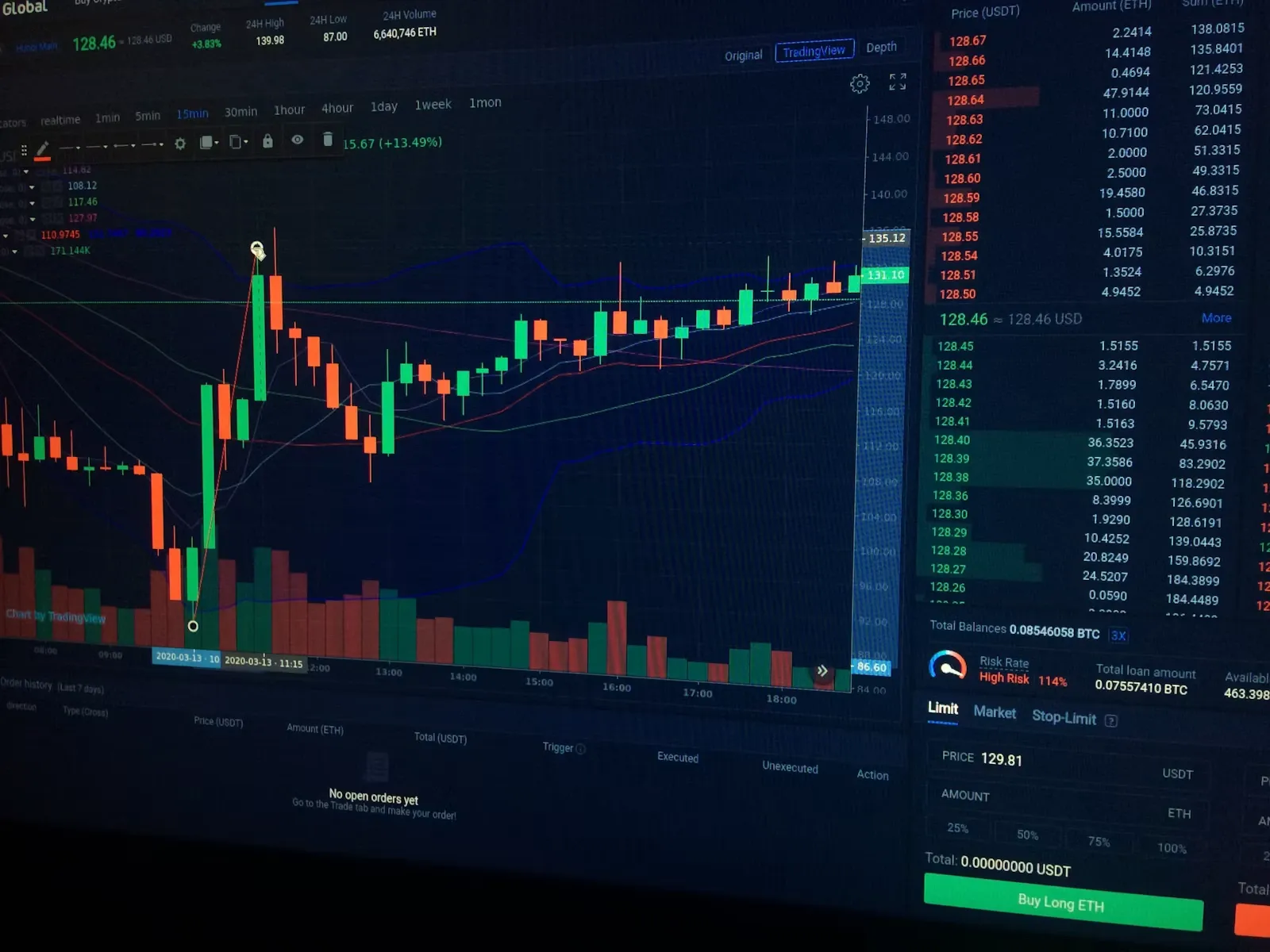
The most important copy trading risks include hidden leverage, unstable allocation systems, execution drift, survivorship bias, fake performance reporting, and low-transparency trader rankings.
Many ecosystems unintentionally reward volatility chasing, excessive leverage, or martingale-style behavior because aggressive short-term returns attract more followers — creating structurally unstable environments. Professional strategy ecosystems instead prioritize transparency, execution consistency, allocation visibility, and long-term operational stability.
The Rise of Strategy Ecosystems
Copy trading is gradually evolving beyond influencer-driven trading, signal-selling groups, and isolated trader-following models. The market is moving toward broader strategy ecosystems focused on transparent performance, verified strategy behavior, risk-adjusted analysis, allocation infrastructure, and operational visibility.

Platforms like AlgoBank reflect this newer direction by focusing more heavily on structured strategy discovery, operational transparency, portfolio allocation workflows, and scalable strategy ecosystems rather than lightweight social trading mechanics. The distinction matters because modern users increasingly evaluate execution quality, risk visibility, and operational consistency instead of simply chasing high return percentages.
Copy Trading vs Building Your Own Strategy
This is one of the biggest decisions traders eventually face.
| Copy Trading | Building Strategies |
|---|---|
| Faster market access | Greater long-term flexibility |
| Lower operational complexity | More customization |
| External strategy dependence | Full strategy ownership |
| Easier onboarding | Higher infrastructure requirements |
Many traders begin with copy trading before transitioning toward algorithmic trading, systematic deployment, or infrastructure-based automation. Traders who want full control can use turn their own rules into a testable algorithm to turn their own rules into a testable algorithm. Creators can then learn how to sell trading strategies online without exposing the underlying logic.
What Professional Traders Actually Evaluate
Most beginners focus almost entirely on returns, win rates, and recent performance. Professional traders focus far more heavily on drawdown behavior, execution consistency, volatility exposure, portfolio correlation, and operational stability — because weak infrastructure can destabilize otherwise profitable strategies. This is one of the biggest mindset shifts in modern trading systems.
Why Most Copy Trading Marketing Is Misleading
A large percentage of copy trading marketing still relies on unrealistic return claims, survivorship bias, hidden leverage, cherry-picked performance windows, and low-transparency rankings. This creates a major trust problem across the market. Experienced traders increasingly prioritize transparency, operational reliability, risk-adjusted consistency, and infrastructure quality instead of aggressive marketing promises.
Frequently Asked Questions
Why do copy trading portfolios drift from lead traders?
Portfolio drift usually happens because of latency, slippage, delayed synchronization, liquidity changes, or unstable execution infrastructure. During volatile markets, these differences can become materially larger.
How does slippage affect copy trading?
Slippage affects the execution price followers receive compared to the original strategy. In high-volatility conditions, weak synchronization systems can create delayed entries, worse fills, and inconsistent portfolio performance.
Why do high-return copy traders often collapse?
Many high-return systems rely on excessive leverage, unstable exposure, martingale logic, or volatility chasing. These strategies may perform well temporarily before experiencing large drawdowns.
What is the difference between copy trading and portfolio replication?
Portfolio replication is generally a more structured infrastructure process involving synchronized execution, allocation systems, and portfolio coordination. Basic copy trading platforms often focus only on trade mirroring.
Is copy trading profitable?
It can be — but profitability depends heavily on strategy quality, allocation controls, execution synchronization, and market conditions. Copy trading does not eliminate market risk.
About the Author
The Algorier research team focuses on:
- Strategy ecosystems
- Portfolio replication infrastructure
- Execution coordination systems
- Systematic trading workflows
- Multi-asset automated trading environments
Research for this guide included analysis of copy trading infrastructure, execution synchronization systems, strategy allocation workflows, and operational risks commonly encountered in live portfolio replication environments.